
How to Use Email Marketing to Increase Blog Revenue: A Complete Guide
Email marketing is one of the most effective ways to build a loyal audience and increase revenue from a blog. While search engines and social media can bring visitors to your website, email marketing allows you to maintain a direct relationship with readers and encourage them to return.
Many bloggers focus entirely on publishing articles and attracting website traffic. However, getting visitors to a blog is only one part of building a profitable online business. You also need a strategy for turning those visitors into loyal readers, subscribers, and potential customers.
This is where email marketing becomes valuable.
With a well-planned email marketing strategy, you can promote new blog posts, recommend affiliate products, sell digital products, attract customers to your services, and build multiple income streams.
Whether you are a beginner or an experienced blogger, this guide explains how to use email marketing to increase blog revenue.
1. Understand How Email Marketing Increases Blog Revenue
Email marketing involves sending messages to people who have voluntarily subscribed to receive updates, newsletters, promotions, or other information from your website.
For bloggers, email marketing provides an opportunity to communicate directly with readers instead of depending entirely on search engines or social media platforms.
For example, imagine you publish an article about the best SEO tools for beginners. A visitor reads your article and subscribes to your email newsletter.
You can later send that subscriber:
- New articles about SEO.
- Helpful website optimization tips.
- Reviews of SEO software.
- Special offers from affiliate partners.
- Your own SEO guides or digital products.
If a subscriber clicks an affiliate link and makes an eligible purchase, you may earn a commission.
Email marketing can increase revenue in several ways:
- Bringing previous visitors back to your website.
- Promoting affiliate products and services.
- Selling digital products.
- Increasing traffic to important articles.
- Building trust with your audience.
- Promoting sponsored content and special offers.
The main advantage is that you can continue communicating with people who have already shown interest in your content.
2. Build an Email List From Your Blog Visitors
The first step is to build an email list.
An email list is a collection of email addresses belonging to people who have agreed to receive messages from your website.
You can begin collecting subscribers by adding signup forms to your WordPress website.
Consider placing signup forms in these locations:
- At the end of blog posts.
- In your website sidebar.
- In the website footer.
- On relevant landing pages.
- Inside useful content upgrades.
- In a non-intrusive popup.
For example, if you publish an article about saving money, you could offer readers a free monthly budgeting template in exchange for subscribing.
Your signup message could say:
Get More Helpful Blogging Tips!
Subscribe to receive practical blogging strategies, SEO advice, website growth tips, and online business resources directly in your inbox.
Make it clear what subscribers will receive and how frequently you plan to email them.
Always obtain the appropriate permission before adding people to marketing lists. Never purchase email addresses or automatically subscribe visitors who have not agreed to receive marketing messages.
3. Offer a Valuable Free Resource to Attract Subscribers
One of the best ways to encourage visitors to subscribe is by offering something useful for free.
This is commonly called a lead magnet.
A lead magnet is a free resource that visitors receive after signing up for your email list.
Examples include:
- Free e-books.
- Blogging checklists.
- SEO guides.
- Website launch templates.
- Keyword research spreadsheets.
- Content calendars.
- Financial planning worksheets.
- Social media content templates.
For example, if your blog focuses on digital marketing, you could create a free resource called “25 SEO Tips Every Beginner Blogger Should Know.”
Visitors interested in SEO may be willing to subscribe because the resource provides immediate value.
Your lead magnet should be closely related to your website niche. A relevant resource attracts subscribers who are more likely to read your future emails and purchase products related to your content.
4. Choose the Right Email Marketing Platform
You need an email marketing service to collect subscribers, create newsletters, organize contacts, and send automated messages.
Several platforms provide tools suitable for bloggers and online businesses.
Mailchimp
Mailchimp offers email campaign creation, signup forms, audience management, and automation features.
It can be useful for bloggers who want to organize their subscribers and send newsletters.
Website: https://mailchimp.com/
Brevo
Brevo provides email marketing, automation, contact management, and other communication tools.
It can be a suitable option for bloggers and small businesses that want to manage email campaigns and customer communication.
Website: https://www.brevo.com/
MailerLite
MailerLite provides newsletter creation, signup forms, landing pages, and automation tools.
It is worth considering for bloggers who want a straightforward platform for growing an email list.
Website: https://www.mailerlite.com/
Kit
Kit, formerly known as ConvertKit, is designed for creators, including bloggers, newsletter publishers, and digital product sellers.
It provides tools for audience management, email sequences, and creator-focused monetization.
Website: https://kit.com/
How should you choose?
Compare pricing, subscriber limits, automation features, integrations, deliverability tools, and ease of use. Some platforms offer free plans with restrictions, while advanced features may require paid subscriptions.
You do not need to use every platform. Choose one that matches your current needs and budget.
5. Send Regular Newsletters to Your Subscribers
A newsletter is an email that provides useful information, updates, recommendations, or announcements to subscribers.
For bloggers, newsletters are an effective way to bring readers back to their websites.
For example, if you publish three new articles during the week, you can send a weekly newsletter highlighting the most useful articles.
A good blog newsletter may include:
- A short introduction.
- Links to recently published articles.
- One useful tip.
- A recommended resource.
- A relevant product or service.
- A clear call to action.
Avoid sending emails that contain nothing but advertisements. Subscribers are more likely to remain interested when your messages provide genuine value.
Start with a manageable schedule, such as one newsletter per week or every two weeks. Adjust your frequency based on subscriber feedback and engagement.
6. Use Affiliate Marketing to Earn More From Email Subscribers
Affiliate marketing is one of the most useful ways to monetize an email list.
It allows you to earn commissions by recommending products or services offered by other companies.
For example, suppose you operate a blog about WordPress and website development.
You could recommend:
- WordPress hosting services.
- SEO tools.
- Website themes.
- Email marketing software.
- Website security products.
- Graphic design tools.
When subscribers click your affiliate link and complete a qualifying purchase, you may earn a commission according to the affiliate program’s terms.
Popular affiliate platforms include:
- Amazon Associates.
- Awin.
- CJ Affiliate.
- Impact.
- PartnerStack.
To make affiliate email marketing effective, recommend products that are relevant to your subscribers.
For example, an email about improving website speed could include a useful comparison of hosting services or performance tools.
Do not send random affiliate offers simply because they provide high commissions. Your recommendations should be honest and relevant.
Also, clearly disclose affiliate relationships in your emails and follow the rules of the affiliate program and applicable advertising regulations.
7. Sell Your Own Digital Products Through Email
You do not have to rely entirely on affiliate commissions or display advertising.
Selling your own digital products can provide another source of blog revenue.
Digital products are downloadable or online resources that customers can purchase.
Examples include:
- E-books.
- Online courses.
- Website templates.
- WordPress guides.
- SEO checklists.
- Graphic design templates.
- Business planners.
- Downloadable spreadsheets.
Imagine you operate a blog about blogging and digital marketing.
You could create an e-book titled “The Beginner’s Guide to Building a Profitable WordPress Blog.”
After someone subscribes to your newsletter, you can send educational emails that explain blogging strategies. Later, you can introduce your e-book as a more detailed resource.
A simple process looks like this:
- Publish helpful articles on your blog.
- Invite interested readers to subscribe.
- Send useful educational emails.
- Identify problems your audience wants to solve.
- Create a relevant digital product.
- Introduce the product through an email campaign.
- Direct interested readers to a secure sales page.
Your product should solve a genuine problem. Avoid exaggerated income promises or misleading product descriptions.
8. Create Automated Email Sequences
Email automation allows you to send messages automatically when subscribers perform specific actions or meet certain conditions.
Instead of writing and sending every message manually, you can prepare an email sequence in advance.
For example, a new subscriber could receive a series of educational emails over several days.
A simple welcome sequence might look like this:
Email 1: Welcome Message
Thank the subscriber for joining your newsletter and provide the free resource you promised.
Email 2: Helpful Tips
Share useful information related to the topic that attracted the subscriber.
Email 3: Recommended Articles
Introduce your most useful blog posts and encourage readers to explore them.
Email 4: Helpful Tools
Recommend relevant tools, resources, or services that may help subscribers.
Email 5: Product or Affiliate Recommendation
Introduce a relevant product or service, explain its benefits honestly, and provide a link for readers who want to learn more.
Automation helps maintain consistent communication and can save time as your email list grows.
9. Segment Your Email List for Better Results
Not every subscriber is interested in the same subject.
For example, a visitor who subscribes to receive SEO tips may not be interested in emails about personal finance.
Email segmentation means dividing your subscribers into smaller groups based on their interests, preferences, or behaviour.
You can create segments such as:
- SEO and blogging subscribers.
- WordPress users.
- Affiliate marketing readers.
- Personal finance subscribers.
- Digital product customers.
- Highly engaged subscribers.
This allows you to send more relevant information to each group.
For example, if you publish content about SEO, WordPress, and affiliate marketing, you could allow visitors to select the topics they want to receive.
When subscribers receive information that matches their interests, your emails are more likely to be useful.
Start with a few simple segments instead of creating too many complicated groups. You can improve your segmentation strategy as you collect more information.
10. Write Attractive Email Subject Lines
Your subject line is one of the first things subscribers see when they receive an email.
A clear and interesting subject line can encourage people to open your message.
For example, compare these two subject lines:
- “Newsletter Update”
- “7 WordPress Speed Tips Every Blogger Should Know”
The second subject line explains what the reader can expect.
Here are additional examples:
- How to Get More Visitors to Your Blog.
- 5 SEO Mistakes New Bloggers Should Avoid.
- A Simple Way to Improve Your Website.
- New Blogging Resources You Should Know About.
- How to Turn Blog Traffic Into Income.
Avoid misleading subject lines, excessive capital letters, and false urgency.
Your email content should deliver what the subject line promises.
11. Use Clear Calls to Action (CTAs)
A call to action tells readers what you want them to do after reading your email.
Without a clear next step, subscribers may read your message without visiting your website or exploring your products.
Examples of calls to action include:
- Read the Full Article.
- Download the Free Guide.
- Explore the Recommended Tools.
- Get the Complete Checklist.
- View the Product Details.
- Join the Online Course.
For example, if you send an email about keyword research, you can include a link directing readers to your complete keyword research guide.
Use clear and relevant links rather than adding too many unrelated buttons.
12. Promote Your Best Blog Posts Through Email
Email marketing can help you increase traffic to your most valuable articles.
Instead of promoting every article equally, identify posts that provide strong value to readers or support your monetization strategy.
For example, if you have published articles about:
- Best WordPress plugins.
- How to start a blog.
- SEO tools for beginners.
- How to make money through affiliate marketing.
- Website speed optimization.
You can create a newsletter that introduces these articles to subscribers.
This can bring previous visitors back to your website and create additional opportunities for advertising impressions, affiliate clicks, and product sales.
However, do not focus only on sending traffic to your website. Make sure your emails provide useful information on their own.
13. Track Your Email Marketing Performance
You cannot improve your email marketing strategy if you do not measure its performance.
Most email marketing platforms provide reports that help you understand how subscribers interact with your messages.
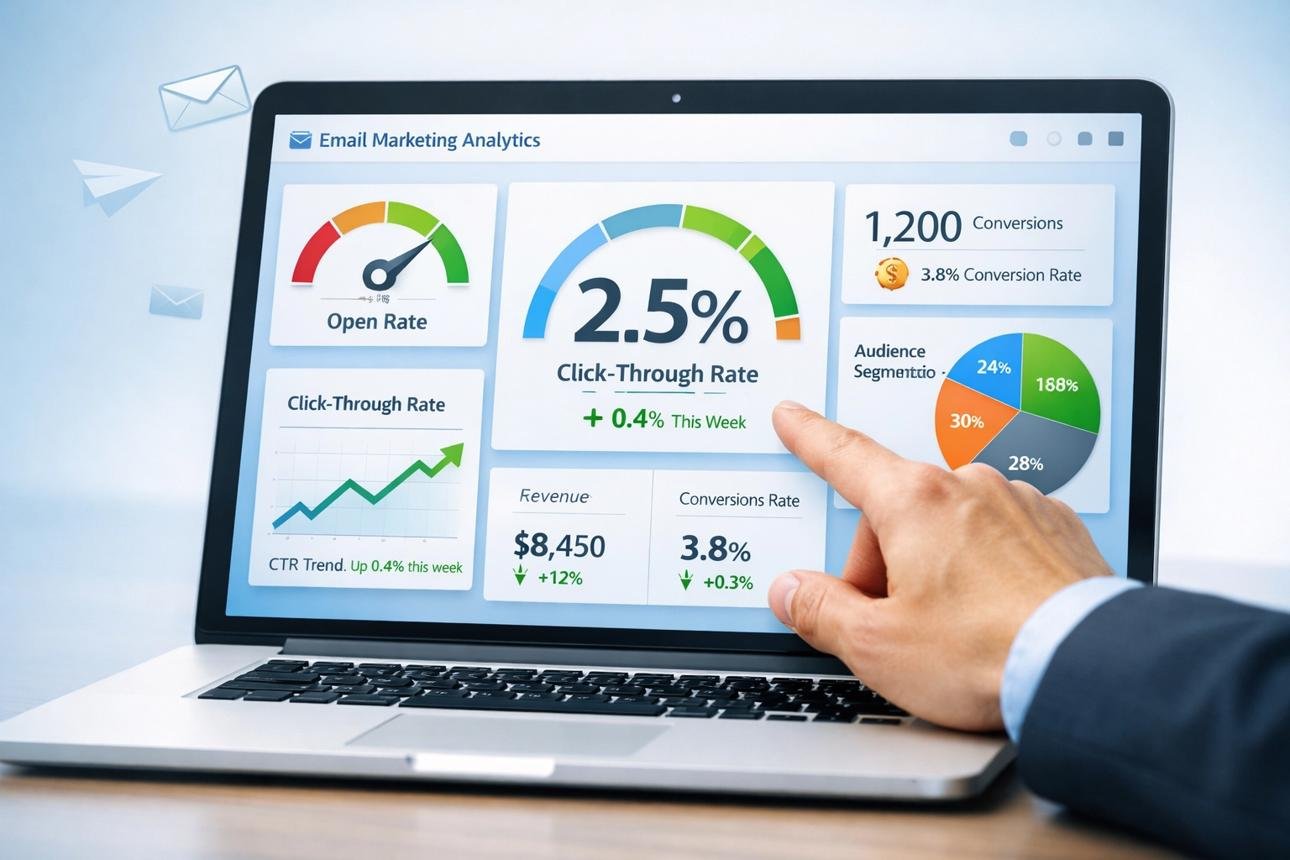
Important metrics include:
Delivery rate: The percentage of sent emails successfully delivered to recipient servers.
Open rate: The percentage of delivered emails recorded as opened. Open-rate measurements can be affected by privacy features and automated activity, so they should not be treated as a perfect measure of interest.
Click-through rate: The percentage of delivered emails that generate clicks on links.
Conversion rate: The percentage of recipients who complete a desired action, such as purchasing a product or signing up for a service.
Unsubscribe rate: The percentage of recipients who unsubscribe from your list.
Revenue per subscriber: The revenue generated in relation to the number of subscribers or recipients.
You should also use tracking links and website analytics to understand which email campaigns generate traffic and sales.
Focus on meaningful results rather than simply trying to increase your subscriber count.
14. Follow Email Marketing Laws and Deliverability Best Practices
Email marketing must be handled responsibly.
Sending unsolicited messages can damage your reputation, reduce deliverability, and create legal problems.
Follow these important practices:
- Collect email addresses through clear permission-based signup forms.
- Explain what subscribers are signing up to receive.
- Never purchase or rent email lists.
- Include a working unsubscribe option.
- Respect unsubscribe requests promptly.
- Keep your subscriber information secure.
- Use accurate sender details and honest subject lines.
- Authenticate your sending domain with SPF, DKIM, and DMARC where appropriate.
- Remove invalid addresses and manage inactive subscribers.
- Follow applicable privacy and marketing laws.
Depending on where your subscribers live, laws such as the UK GDPR, PECR, and the US CAN-SPAM Act may apply. Requirements differ, so understand the rules relevant to your audience and business.
Good email practices also support your sender reputation and help messages reach subscribers’ inboxes.
15. Create a Simple Email Marketing Plan for Your Blog
You do not need a complicated strategy to get started.
Here is a practical weekly plan for a beginner blogger:
| Day | Email marketing activity |
|---|---|
| Monday | Share a useful blogging or industry tip |
| Tuesday | Promote a recently published article |
| Wednesday | Prepare an educational email |
| Thursday | Recommend a relevant tool or resource |
| Friday | Review email campaign performance |
| Weekend | Plan the following week’s newsletter |
You do not have to send an email every day. A consistent schedule that your audience welcomes is more important than sending messages frequently.
For a small blog, one valuable newsletter each week may be a good starting point.
As your subscriber list grows, you can introduce additional campaigns and automated sequences based on reader interests.
Common Email Marketing Mistakes Bloggers Should Avoid
Even a large email list may produce disappointing results if the marketing strategy is poorly managed.
Avoid these common mistakes:
- Buying email addresses instead of building a permission-based list.
- Sending too many promotional emails.
- Ignoring subscriber interests.
- Writing misleading subject lines.
- Failing to include clear calls to action.
- Promoting irrelevant affiliate products.
- Ignoring mobile email design.
- Failing to measure conversions and revenue.
- Sending emails without a clear purpose.
- Neglecting unsubscribe requests and privacy requirements.
Remember that building trust is more important than sending as many promotional emails as possible.
Frequently Asked Questions (FAQs)
1. Can email marketing increase blog revenue?
Yes. Email marketing can increase blog revenue by bringing visitors back to your website, promoting affiliate products, selling digital products, and introducing subscribers to relevant services.
2. How many email subscribers do I need to make money?
There is no fixed number of subscribers required to earn money through email marketing. A small list of interested readers can generate revenue if your content, products, and recommendations are relevant to their needs.
3. Which email marketing platform is best for bloggers?
Mailchimp, Brevo, MailerLite, and Kit are popular options. Compare their features, pricing, automation tools, and WordPress integrations before selecting one.
4. How often should bloggers send newsletters?
Many bloggers start with one newsletter per week or every two weeks. The ideal frequency depends on your publishing schedule, audience preferences, and engagement.
5. Is email marketing better than social media marketing?
They serve different purposes. Social media can help introduce your website to new audiences, while email marketing gives you a direct way to communicate with people who have subscribed. Combining both strategies can help grow your blog.
6. Can I use affiliate links in email newsletters?
Many affiliate programs permit affiliate promotion through email, but their individual terms differ. Check the program’s rules, disclose affiliate relationships clearly, and avoid sending unsolicited promotional emails.
Conclusion
Email marketing is a valuable strategy for bloggers who want to increase website revenue and build a loyal audience. It gives you an opportunity to maintain relationships with readers, promote useful articles, recommend relevant products, and sell your own digital resources.
To get started, choose an email marketing platform, create a signup form, offer a valuable free resource, and build a permission-based subscriber list. Then develop a consistent newsletter schedule and use automation to communicate with subscribers.
As your audience grows, introduce segmentation, affiliate marketing, digital products, and other relevant monetization opportunities.
The most important lesson is to provide value before asking subscribers to purchase something. When readers trust your recommendations and find your emails useful, email marketing can become an important part of your blog’s long-term revenue strategy.
SEO Title: How to Use Email Marketing to Increase Blog Revenue
Focus Keyword: Email marketing to increase blog revenue
Slug: email-marketing-increase-blog-revenue
Meta Description: Learn how to use email marketing to increase blog revenue through newsletters, affiliate marketing, digital products, automation, and subscriber growth.
Category: Email Marketing, Blogging, Website Monetization
Tags: Email Marketing, Blog Revenue, Email List Building, Affiliate Marketing, Blogging Tips, Digital Products, Email Automation, Make Money Blogging

Adeeb Malik is the founder of Capdigitals, where he shares practical insights on digital marketing, blogging, SEO, and online earning. He focuses on simplifying complex strategies into easy, actionable steps for beginners. The content is based on research, real-world concepts, and learning resources. All information is for educational purposes only and does not constitute financial or business advice.